One of the key missions of CIVIL Engineering Public Company Limited is “We aim to pass on a better world to future generations”. The Company recognizes that social and environmental responsibility is a crucial driver for organizational advancement and achieving comprehensive sustainability across all dimensions: Environmental, Social, and Governance, enabling efficient growth and confidence in sustainable business operations.
Climate Change & Energy
The Company is committed to climate change adaptation and has set short-term and long-term greenhouse gas reduction targets in accordance with the Paris Agreement to limit global temperature rise to 1.5°C by 2050. This is achieved through energy management focus combined with developing efficient resource management approaches throughout the value chain.
Pollution & Resource Management
The Company aims to reduce negative impacts from business operations and promote long-term sustainable development through environmental risk management, pollution control and reduction measures, and efficient resource planning and utilization. Key focus areas include
- air pollution management
- waste management
- water resource management and security
- efficient resource management.
Biodiversity
The Company implements measures to reduce and prevent impacts on biodiversity and the environment, including implementing measures according to Environmental Impact Assessment (EIA) reports for construction projects, both preventive measures and rigorous restoration of affected areas, while promoting net positive nature impact.
Human Rights
The Company upholds respect for human rights according to legal principles and international standards, focusing on preventing and avoiding human rights violations in all business dimensions, including employees, suppliers, contractors, customers, and local communities. The Company has set a target of "Zero Human Rights Violations" with 100% of employees trained and tested on human rights, comprehensive Human Rights Due Diligence processes, and close collaboration with stakeholders.
Our Employees
Human resources are a key factor in creating business value and driving sustainable business growth. The Company is committed to recruiting personnel with skills and experience aligned with business growth strategies, with competitive compensation, while enhancing employee capabilities through professional engineering training. Key initiatives include
- labor standards compliance
- welfare and quality of life promotion
- employee association support
- capability development
- strategic workforce planning
Our Supply Chains
The Company works closely with suppliers as key stakeholders, including contractors and construction material and service providers, to elevate quality and work standards, manage supply chain risks, and drive mutual sustainable growth. Focus areas include
- risk management and quality control
- local procurement support
- supplier capability enhancement
Our Communities
The Company fosters community cooperation through policies focused on harmonious coexistence, impact mitigation, and long-term community development. This includes avoiding activities that may affect communities and sensitive areas, ensure strict regulatory compliance, and engage relevant stakeholders in collaborative initiatives.
Health & Safety
The Company recognizes the importance of occupational health, safety, and working environment as key factors directly affecting employee quality of life, business continuity, and social stability. The Company has set "Zero Accident" as the primary safety objective across all organizational levels, both in construction projects and support activities, focusing on
- reducing accident-related risks and losses
- promoting proactive safety culture
- The Company fosters community cooperation through policies focused on harmonious coexistence, impact mitigation, and long-term community development. This includes avoiding activities that may affect communities and sensitive areas, ensuring strict regulatory compliance, and engaging relevant stakeholders in collaborative initiatives.
- elevating operational standards to international best practices.
Corporate Governance
The Company has established effective governance structures encompassing oversight, monitoring, and evaluation to create sustainable value for both the organization and society. These systems ensure consistent practices aligned with good corporate governance principles.
Anti Corruption
The Company prioritizes good governance principles, upholding standards and building a work culture of honesty and integrity based on moral ethics, including good corporate governance. The Company has a zero-tolerance policy for all forms of fraud and corruption with serious anti-corruption implementation.
Risk Management
The Company's risk management processes are overseen by the Audit and Risk Management Committee, which provides guidance and monitors risk management activities through frameworks aligned with international standards. Key practices include comprehensive risk identification and classification, risk management planning with clear accountability, and fostering a risk-aware culture across all levels of the organization.
Tax Policy
The Company believes that ethical business conduct and responsibility to society and all stakeholders is a fundamental foundation for sustainability. Regarding tax policy, the Company upholds transparency, fairness, and strict compliance with relevant laws and regulations, recognizing the duty of being a good taxpayer as important for national development.
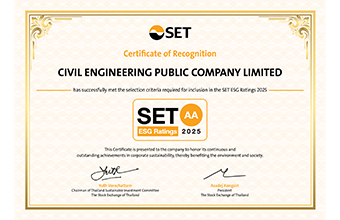
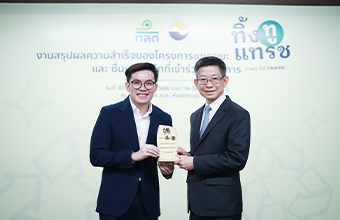
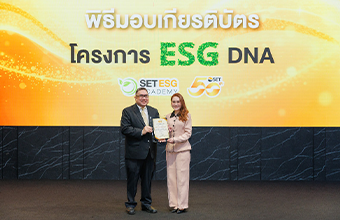
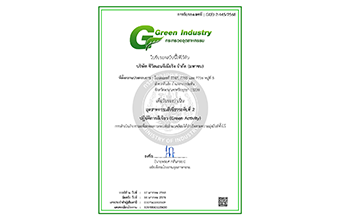
The Company's sustainability efforts have been recognized through various awards and certifications: